Where Elegance Meets the Stage
Step into a world of theatrical wonder where every fold of fabric tells a story. From the grand opera houses of Europe to the intimate theaters of Broadway, curtains have been the silent guardians of performance art for centuries. Discover the art, history, and craftsmanship behind the world's most magnificent draperies.
Begin the ShowThe evolution of theatrical curtains through the ages
c. 500 BC - Ancient Greece
The earliest form of stage curtains appeared in ancient Greek theaters, where painted wooden panels called "pinakes" were used to create scenic backgrounds. These primitive curtains were often made of linen and decorated with mythological scenes, setting the stage for theatrical storytelling that would captivate audiences for millennia.
c. 100 AD - Roman Empire
Roman theaters introduced the "aulaeum," a large curtain that was raised from below the stage rather than drawn from the sides. This revolutionary mechanism used a system of ropes and counterweights, creating the first automated curtain system in history. The aulaeum was typically made of rich fabrics like silk and embroidered with gold thread.
15th - 16th Century
During the Renaissance, Italian theaters pioneered the proscenium arch and the modern front curtain. The Teatro Olimpico in Vicenza (1585) featured elaborate painted backdrops and velvet curtains that could be drawn to reveal the stage. This period marked the birth of modern stagecraft and theatrical design.
17th - 18th Century
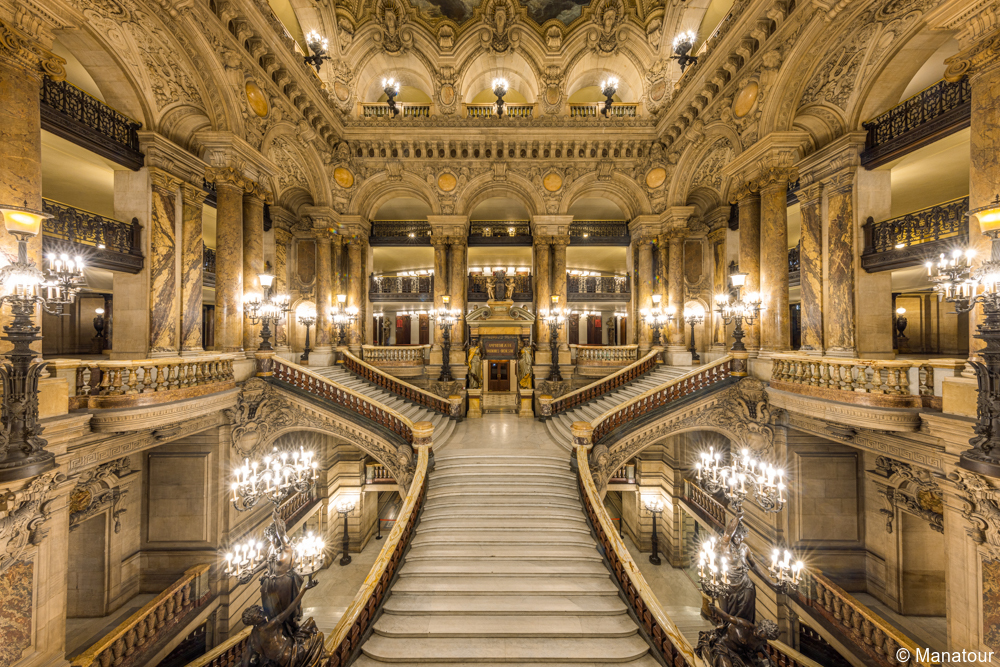
Baroque theaters across Europe competed to create the most opulent curtain designs. The Paris Opera and London's Covent Garden featured curtains made of the finest velvet, adorned with gold fringes, tassels, and intricate embroidery. These curtains became symbols of wealth and artistic prestige.
19th - Early 20th Century
The Victorian era and early 20th century saw curtains reach new heights of sophistication. The invention of the fire safety curtain (or safety iron) became mandatory in theaters worldwide. Meanwhile, the advent of electrical lighting allowed for more dramatic curtain reveals and color effects.
21st Century
Today's theatrical curtains combine traditional craftsmanship with cutting-edge technology. Motorized systems, LED-integrated fabrics, and acoustic-enhancing materials represent the latest innovations. Yet the fundamental purpose remains unchanged: to create anticipation, frame the performance, and transform spaces.
From grand drapes to intricate backdrops
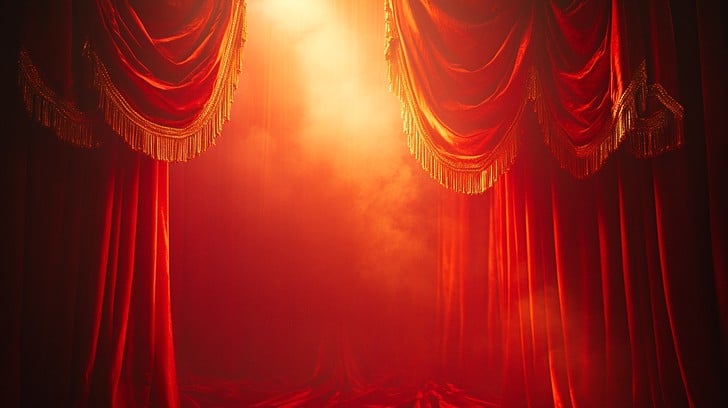
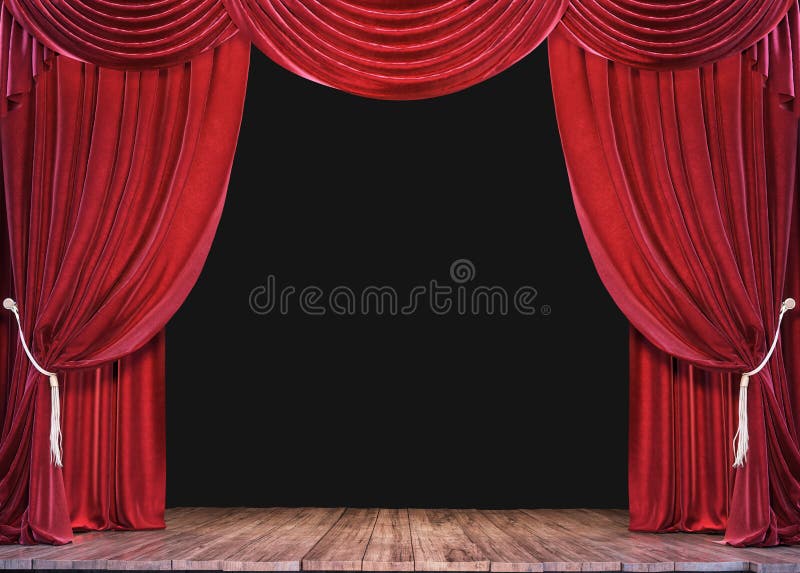
The grand drape, also known as the main curtain or front curtain, is the most iconic element of any theater. Traditionally made of rich red velvet, it serves as the primary visual barrier between the audience and the stage. When it rises, magic begins.
Legs are tall, narrow curtains positioned at the sides of the stage, while borders hang horizontally above. Together, they create a "frame" for the performance area and conceal lighting equipment, fly systems, and backstage areas from the audience's view.
Backdrops are large curtains that cover the entire rear wall of the stage, often painted with scenic designs. Cycloramas (or "cycs") are specially designed white or light-colored backdrops used with colored lighting to create atmospheric sky and horizon effects.
Traveler curtains are pairs of curtains that move horizontally across the stage, meeting in the center. They are the most common type of curtain for mid-stage reveals and scene transitions, offering smooth and elegant movement.
The materials that create theatrical magic
The king of theatrical fabrics. Velvet's dense pile absorbs light beautifully, creating deep, rich colors that appear almost luminous under stage lighting. Its weight provides excellent draping and sound dampening properties.
A lighter cousin of velvet, velour offers similar light-absorbing qualities at a more affordable price point. It's the go-to choice for legs, borders, and blackout curtains in modern theaters.
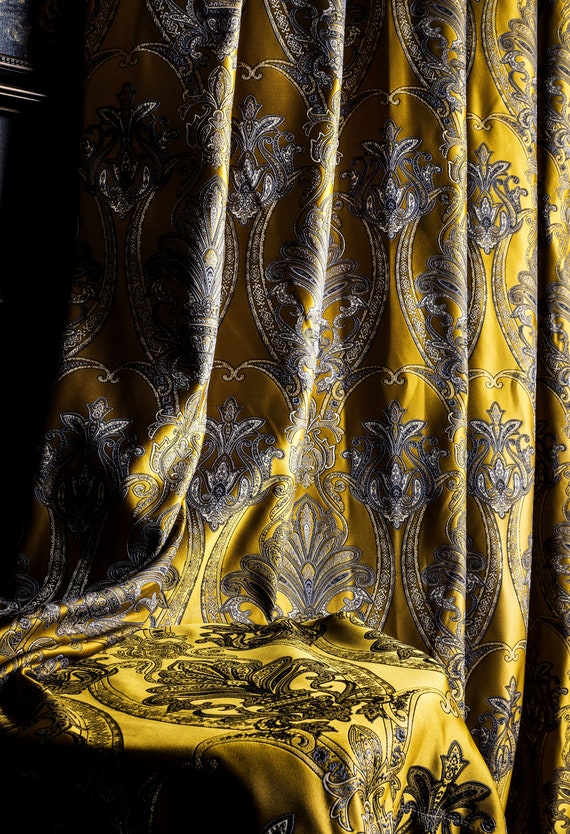
Characterized by intricate woven patterns, damask adds texture and visual interest to any curtain. Often used in historic theaters and opera houses where ornate decoration is desired.
With raised patterns woven with gold or silver threads, brocade represents the pinnacle of luxury. It's traditionally used for ceremonial curtains and royal box draperies.
A magical fabric that appears opaque when lit from the front but becomes transparent when backlit. Scrim creates ghostly effects and dramatic reveals that have fascinated audiences for generations.
The workhorse of theater fabrics, muslin is used for painted backdrops, cycloramas, and mock-ups. Its smooth surface accepts paint beautifully and provides a perfect canvas for scenic artists.
Once reserved for the most prestigious venues, silk curtains shimmer with an unmatched elegance. Modern flame-retardant treatments have made silk safe for contemporary theater use.
Inherently Flame Retardant (IFR) fabrics are engineered with fire-resistant fibers. These modern materials meet strict safety codes while maintaining the luxurious appearance of traditional theatrical textiles.
A visual journey through the world's most stunning curtains
"All the world's a stage, and all the men and women merely players. They have their exits and their entrances, and one man in his time plays many parts."โ William Shakespeare, As You Like It
The spaces that house theatrical curtains
The relationship between curtains and theater architecture is symbiotic. The proscenium arch, first developed in Renaissance Italy, created the perfect frame for the grand drape. This architectural element, combined with the fly system above the stage, allowed for the elaborate curtain arrangements we see today.
Modern theaters employ sophisticated rigging systems that can raise, lower, and traverse curtains with precision timing. The fly loft, typically 2-3 times the height of the proscenium, houses hundreds of curtains, backdrops, and scenic elements that can be deployed at a moment's notice.
Acoustic considerations also play a crucial role. Heavy velvet curtains absorb sound, preventing echoes and improving audio quality for the audience. This is why historic opera houses often feature multiple layers of drapery throughout the auditorium.
Frequently asked questions about theatrical curtains
Red became the traditional color for theater curtains because it was historically the most expensive dye to produce, making it a symbol of prestige and luxury. Additionally, red absorbs light well, creating a dramatic contrast when the stage is illuminated. The color also has psychological associations with passion, drama, and excitementโperfect for the theatrical experience.
A typical grand drape for a medium-sized theater (proscenium opening of 30-40 feet) weighs between 300-600 pounds. For major venues like the Metropolitan Opera or Royal Opera House, the main curtain can exceed 1,000 pounds. These massive curtains require robust motorized systems with backup manual operation capabilities and regular maintenance.
A fire safety curtain (also called a safety iron or iron) is a heavy fire-resistant curtain that can be quickly lowered to separate the stage from the auditorium in case of fire. Made of steel-framed asbestos-free fabric, it's a legal requirement in most countries. When lowered, it creates a fire barrier that protects the audience while allowing safe evacuation.
With proper care, a high-quality theatrical curtain can last 15-25 years. Factors affecting longevity include fabric quality, frequency of use, exposure to light (UV degradation), cleaning methods, and environmental conditions. Many historic theaters have curtains that are over 50 years old, preserved through careful maintenance and occasional restoration.
The main curtain at the Bolshoi Theatre in Moscow, replaced in 2011, is considered one of the most expensive ever created. Hand-woven from pure silk and gold thread, featuring intricate embroidery of the theater's history, it reportedly cost over $500,000. The curtain took master craftsmen over two years to complete and weighs nearly 1,200 pounds.
Theatrical curtains are typically cleaned in place using specialized dry-cleaning methods. A team of technicians uses extraction machines that spray solvent and immediately vacuum it out, preventing moisture damage to the fabric and rigging. For major cleaning, curtains may be lowered and sent to specialized facilities. Regular vacuuming and spot cleaning help extend time between major cleanings.
Inquire about custom theatrical curtains